
BANGEM: Let’s take a walk in Bangem and know about the Town
Bangem is the capital of the Koupé-Manengouba division (consisting of the Bangem, Tombel, and Nguti subdivisions) and is also considered the heartland of the Bakossi tribe. Nestled halfway up Mount Manenguba and its famous twin lakes, Bangem enjoys a cool, rainy climate.
The dry season is short and lasts from November to March, and there are rains the rest of the year. The road network is deplorable and travel in the wet season can be slow and uncomfortable.
Bangem has roads to Melong, Tombel, and Nguti, but only the Melong-Bangem road is passable by car, the others can be passed on a bike, the Nguti section is under construction for a possible tarring.
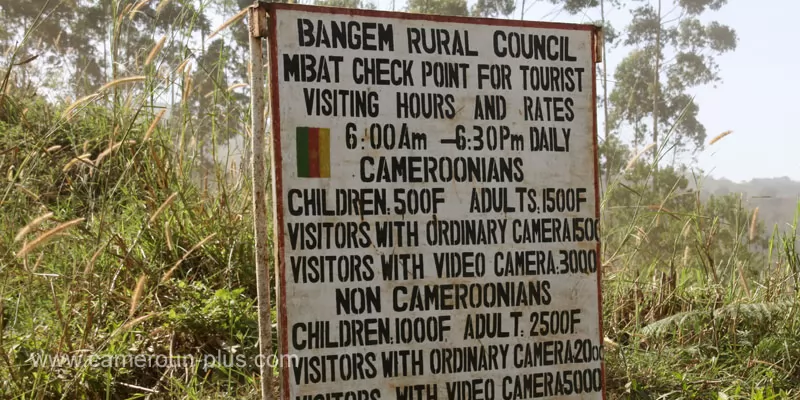
Bangem is beautiful and has among the most tourist potential of any part of Cameroon. Currently, a slightly developed tourist site at the crater lakes of Mount Muanenguba (about 10 km uphill from Bangem) is managed by the Bangem council, but other sites are equally interesting and beautiful, but more inaccessible. The nearby Bakossi National Park boasts some of the most diverse rain forests, with exceptional species and a diversity of plants. Furthermore, the park has chimpanzees and a large population of mandrills. The nearby Bayang-Mbo Wildlife Sanctuary also boasts forest elephants, chimpanzees, pangolins, and other interesting creatures. More information on possible tourist destinations can be found online.
The Bangem area is home to many species of interesting birds, reptiles, amphibians, and fish as well, including the world’s largest frog, the Goliath frog, the Mount Kupe bushshrike, various species of hornbills, etc. Furthermore, the nearby Lake Bermin boasts of the highest species diversity of fish as compared to the size of the lake, of any lake in the world. The 9 tilapia species are endemic sister species, implying sympatric speciation, making it of critical interest to conservationists and evolutionary biologists alike.