
The Zhoa Council, located within the Fungom Sub-Division of Menchum Division in the North West Region of Cameroon, is a vibrant community steeped in history and characterized by rich cultural diversity. Encompassing 26 villages and thoughtfully divided into 35 planning units for effective development, Zhoa offers a compelling glimpse into the cultural mosaic of the region.
Origins and Migration
The people of Zhoa trace their origins back to the Tikari ethnic group. Their journey began around the 15th century with a migration from the Western region, where they initially settled near Babadjou. By the 17th century, the community branched into two distinct groups. One group journeyed through Noni, while the other made their way to Bafut. The Bafut-bound group first established themselves at Buweh before eventually settling in the areas of Weh and Esu. The second group, traversing through Noni, initially settled at Njotin before moving on to Bafmen.
A Melting Pot of Cultures
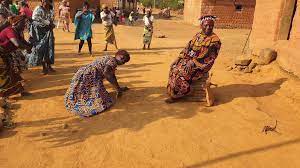
The Zhoa Council area and its surroundings are a testament to peaceful coexistence and interaction among diverse ethnic groups. Besides the indigenous Tikaris, the region is home to Mbororos (also known as Akus), Mmen, Zhoa, Ngun, Menkaf, Esu, Buu, Fang, Mundabili, Munken, Marshi, and Abar communities. These groups actively engage in social interactions and frequently intermarry, fostering a strong sense of community and shared heritage.
Geography and Demographics
Spanning a considerable surface area of 7000 km², the Zhoa Council shares borders with the Furu Awa council to the north and the nation of Nigeria to the east. The council area is home to a population of approximately 58,000 inhabitants, with women constituting a significant 52% of the population.
The Zhoa Council stands as a testament to the enduring spirit of its people, their rich history, and the harmonious coexistence of diverse cultures within its expansive territory. While specific contact details like addresses, phone numbers, and email addresses were not provided, the available information paints a vivid picture of a dynamic and historically significant council within the North West Region of Cameroon.